




The sun is shining, the high-desert winds are picking up, and the long, hot Reno-Sparks summer is right around the corner. You rely on your lawn sprinkler system to be the frontline defense against the scorching Nevada heat.
But for homeowners in Sparks, NV, that first seasonal sprinkler activation can quickly turn into a nightmare: high water bills, dead brown patches, or the entire system refusing to turn on.
As your local lawn care experts right here in Sparks, Tailored Lawn Care understands the unique challenges that Washoe County's climate and complex soil present to your irrigation system. Freezing winters, high winds, and hard water are constantly working against your sprinklers.
The good news? Most issues fall into five common categories. Identifying these problems now, before the summer heat truly stresses your lawn, is the key to maintaining a lush, healthy yard.
Here is your detailed guide to the top 5 sprinkler system problems in Sparks, NV, and the professional solutions Tailored Lawn Care offers.
Problem 1: Broken Heads and Poor Coverage—The Patchwork Lawn Effect
A perfect sprinkler system delivers uniform water coverage to every square foot of your lawn. When this balance is disrupted, you get the common “patchwork lawn” effect: dry, stressed brown spots next to areas that are green but prone to disease.
Why This is a Disaster in the High Desert
In Sparks, NV, uneven watering is not just an aesthetic issue; it’s a recipe for rapid lawn die-off. The high-desert sun and low humidity mean water evaporates quickly. If a spot isn't getting adequate coverage, it will burn out fast.
The most common causes for poor coverage include:
- Broken or Clogged Sprinkler Heads: This is often caused by lawn mowers, edgers, or just wear and tear. A head that doesn't pop up or is clogged with debris can severely limit water flow.
- Improper Height/Angle: Heads can sink into the ground over time, or they may have been installed at the wrong height, causing water to spray at the base of tall grass or into the sidewalk instead of the lawn.
- The Wind Factor: Sparks is known for its strong winds. If your system’s water pressure is slightly low, the wind can carry the mist away from the target zone, creating coverage gaps that are only noticeable on the hottest days.
DIY Fix vs. Professional Solution
DIY Check:
- Run the Zone: Turn on the problematic zone in your system.
- Inspect: Walk the zone and check every head. Is the water stream weak, misty, or spraying erratically?
- Clean: If a head is misting, turn the water off, pull the head out, and clean the filter screen at the bottom of the stem to remove debris or mineral buildup.
The Professional Solution: Tailored Lawn Care offers comprehensive Sprinkler Check-ups and Adjustments. We don’t just replace the broken head; we assess the entire zone to ensure:
- The correct GPM (Gallons Per Minute) head is used to match the zone’s pressure.
- The heads are optimally positioned to compensate for local wind patterns.
- We can upgrade older, inefficient heads to modern, water-wise nozzles that deliver water more evenly, which is critical for conserving water in Nevada.
Problem 2: The Silent Killer: Leaky Valves (Running Water)
Imagine paying for water that your lawn never uses. This is the reality of a leaky irrigation valve, often called a "weeping" valve.
A valve is essentially a dam that opens and closes the water supply to a specific zone. If this dam fails, water will run slowly and continuously, even when your controller is completely shut off.
Why Leaks are Costly in Washoe County
The consequences of a silent leak are immediate and significant:
- Skyrocketing Water Bills: You are paying for continuous waste, which can add hundreds of dollars to your utility bill over a single season.
- System Damage: Constant running water can overload the main pump or regulator, leading to eventual system failure.
- Saturated Soil: The perpetually damp area around the leak encourages fungus and lawn disease, ruining your grass from the roots up.
A major local challenge is hard water. The water in the Reno-Sparks area contains high levels of dissolved minerals. Over time, this mineral buildup (scale) can ruin the delicate rubber diaphragm inside the valve, preventing it from closing completely.
DIY Fix vs. Professional Solution
DIY Check:
- Monitor the Meter: Turn off the main shut-off valve to the house but leave the irrigation system’s main valve open. Check your water meter. If the dial is spinning, you have a leak somewhere in the system.
- Inspect Valve Boxes: Open the green plastic boxes in your yard. If you hear a hissing sound or see water pooled inside, you’ve likely found the guilty zone.
The Professional Solution: Valve repair is often best left to a professional for two reasons: diagnosis and access.
- Diagnosis: Our technicians can accurately diagnose if the problem is a worn-out solenoid, a dirty diaphragm, or a physical crack in the housing.
- Hard Water Treatment: Tailored Lawn Care specializes in servicing systems exposed to Sparks’ hard water. We can properly clean, flush, and replace valve components with long-lasting materials, ensuring the leak is fixed at the source, not just patched.
Problem 3: Low Water Pressure & Coverage Gaps
If you’ve ever seen a sprinkler system that looks tired, barely spitting out water instead of a strong, even spray, you are witnessing low water pressure. This problem renders your entire watering schedule ineffective, as the water doesn't travel far enough to cover the whole zone.
The Sparks Impact
Low pressure combined with Reno-Sparks’ notorious wind is a recipe for coverage gaps. The slightest breeze will transform the weak stream into a fine mist that evaporates into the dry air before it can saturate the soil.
Common Causes of Low Pressure:
- A Partially Closed Main Valve: The simplest fix, but often overlooked.
- Excessive Zones: Trying to run too many sprinkler heads or zones simultaneously overwhelms the water source (pressure drop).
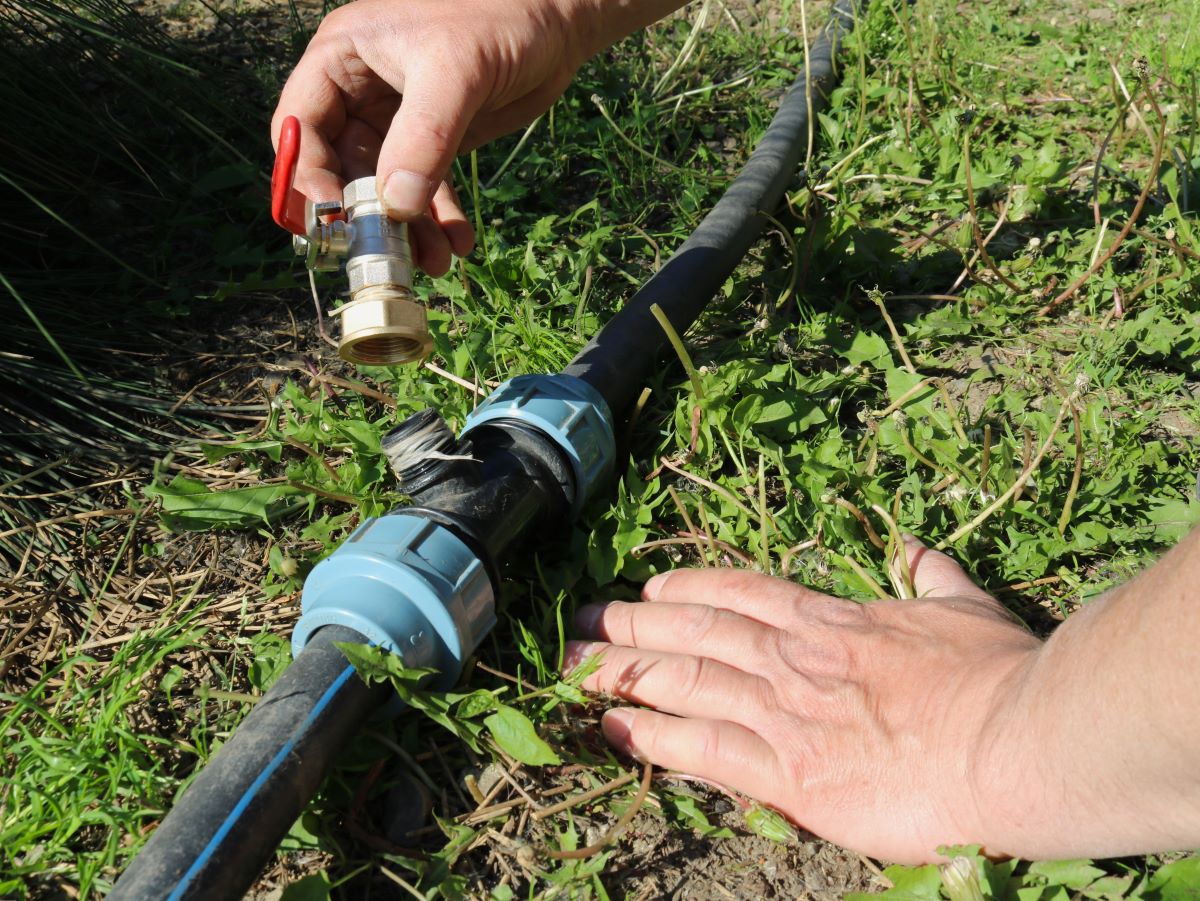
- System Leakage (Underground): A broken pipe, cracked at a fitting or severed by a root, is leaking water constantly. You may never see the puddle, but the entire system is losing pressure.
- Malfunctioning Pressure Vacuum Breaker (PVB): This vital component, which prevents lawn water from flowing back into your drinking water supply, can fail and cause a significant drop in pressure.
DIY Fix vs. Professional Solution
DIY Check:
- Test the Faucet: Check the pressure coming from your home’s outdoor hose bibs. If the pressure is fine there, the problem is isolated to the irrigation system.
- Inspect the Main Valve: Ensure the irrigation system's main shut-off valve is fully open (usually a quarter turn on a ball valve).
The Professional Solution: If DIY steps fail, you need a specialist with diagnostic equipment.
- Leak Detection: We use specialized tools to detect and pinpoint underground pipe breaks without tearing up your entire yard.
- System Calibration: Tailored Lawn Care can audit the water requirements of each zone and calibrate your system, ensuring your pressure regulator is functioning correctly and recommending ways to balance zones to optimize water delivery.
Problem 4: Controller Malfunctions (The System Won't Start)
The sprinkler controller—the "brains" of your irrigation system—is what keeps your entire lawn care schedule on track. A faulty timer or controller can mean the difference between a thriving lawn and a dead one.
If your system won't turn on, runs continuously, or refuses to run specific zones, the problem may be electrical or programming-related.
The Sparks Angle: Seasonal Adjustments
A major reason for controller issues in the Reno-Sparks area isn't necessarily a broken controller, but one that is improperly programmed for the season. Local water authorities often have specific watering rules that change throughout the year, especially during peak summer months.
If the system was powered off for the winter (which is common), it may need a full reset and reprogramming. Issues can include:
- No Power: Often, this is just a tripped breaker or a dead backup battery.
- Wiring Shorts: Wires running from the controller to the valves can be cut by lawn equipment or shifting soil, causing a short that prevents a zone from activating.
- Rain/Sensor Mode: The controller may be mistakenly set to a "Rain Delay" or "Off" mode due to a faulty rain sensor.
DIY Fix vs. Professional Solution
DIY Check:
- Check Power: Look at the screen. Is the display on? If not, check your home's breaker box.
- Reset/Reprogram: If the screen is on, reset the controller and re-enter your schedule. Many controllers have a "rain-mode" that prevents accidental valve activation but keeps the time and settings.
- Inspect Terminals: Open the controller panel and check the wiring terminals for corrosion or loose connections.
The Professional Solution: Diagnosing controller and wiring issues often requires specialized tools like a multimeter to test voltage.
- Wire Tracing: Tailored Lawn Care can perform wire tracing to locate exactly where a wire may be cut underground.
- Smart System Upgrades: We can upgrade your old, simple timer to a Smart Irrigation Controller. These use local weather data to automatically adjust your watering schedule, ensuring compliance with local restrictions and saving water—a significant benefit in water-conscious Nevada.
Problem 5: Winter Damage (The Spring Activation Nightmare)
This is perhaps the most critical and most avoidable problem in the Sparks area. Our harsh winters are characterized by freezing temperatures that can cause residual water in your pipes to freeze and expand. This expansion inevitably leads to cracked or burst pipes.
When you activate your sprinkler system in the spring, the winter damage becomes immediately apparent.
The Sparks Angle: Winterization is Non-Negotiable
Failing to properly winterize your system in the fall is a guarantee for expensive spring repairs. In Sparks, you must get the water completely out of the lines.
Signs of Winter Damage upon Spring Start-Up:
- Fountains and Geysers: Water spewing from an unexpected spot usually indicates a main line break.
- Constant Wet Spots: Patches of saturated soil that never dry out, signaling a continuous leak from an underground crack.
- Low Pressure in All Zones: A widespread pipe break drains pressure from the entire system.
DIY Fix vs. Professional Solution
DIY Fix: Absolutely none. If a pipe has cracked or burst underground, you need professional repair to locate the damage, excavate the area, replace the piping, and ensure the surrounding line integrity. Trying to activate a damaged system risks a flood and severe water loss.
The Professional Solution:
- Spring Activation Inspection: Before turning the water back on, Tailored Lawn Care performs a full inspection. We slowly pressurize the system and visually check every zone for immediate issues.
- Pipe Repair and Replacement: We are equipped for same-day repair and replacement of broken pipes, backflow preventers (which are highly susceptible to freezing), and valves.
Summary: Don't Let the High-Desert Heat Win
The long-term health of your lawn depends entirely on a fully functional, efficient irrigation system. In the unique climate of Sparks, NV, where water is a precious resource and the summer sun is brutal, a broken sprinkler system is a crisis for your landscape.
Whether you're dealing with the subtle leak of a weeping valve (Problem 2) or the complete failure of a winter-damaged pipe (Problem 5), addressing these issues before the extreme heat of July and August is critical.
Don't spend your summer juggling temporary fixes or watching your water bill climb.
Trust Tailored Lawn Care’s certified Irrigation Technicians to diagnose, repair, and optimize your system to handle the specific demands of the Reno-Sparks environment. We deliver the expertise you need to save water and guarantee a healthy, green lawn all season long.
Contact Tailored Lawn Care for your expert Irrigation Repair and get a free quote!
Frequently Asked Questions
How often should I run my sprinkler system in Sparks, NV, to keep my lawn healthy without wasting water?
The general rule for the Reno-Sparks area is to water deeply and less frequently. Instead of running the sprinklers for short bursts daily, water 2-3 times per week, allowing the water to penetrate the soil deeply. This encourages deep root growth, which helps the lawn survive the intense summer heat and drought conditions. Be sure to follow any specific watering guidelines mandated by your local water authority, as these often change seasonally.
Why is water running from one of my sprinkler heads constantly, even when the system is off?
This is a classic sign of a leaky or stuck valve. The valve is designed to close the water flow to that zone, but a piece of debris, sediment, or mineral buildup (common due to the hard water in the Reno area) is preventing the diaphragm from seating properly. While you can try to shut off the main irrigation water supply yourself, this issue usually requires a professional to replace or rebuild the internal valve components.
If my lawn is showing brown spots, should I just water that area more, or is it likely a sprinkler problem?
Brown spots can be a sign of many things, but if they are consistently appearing in the same area, it's highly likely a localized sprinkler coverage problem. That specific area is not receiving enough water due to a clogged, sunken, or misaligned sprinkler head. Overwatering the entire zone to fix the one spot will only lead to oversaturated, disease-prone areas elsewhere. A Sprinkler Check-up will diagnose the coverage gap and adjust the heads for uniform watering.


